Physical Address
304 North Cardinal St.
Dorchester Center, MA 02124
Physical Address
304 North Cardinal St.
Dorchester Center, MA 02124
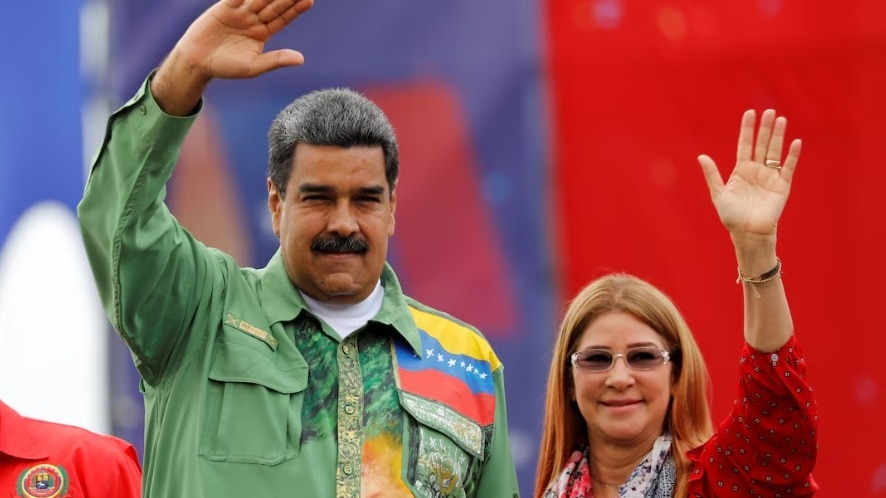
The US capture of Panama strongman Manuel Noriega in 1989 has once again entered the global debate, this time as analysts search for historical parallels with Washington’s dramatic operation in Venezuela that led to the capture of President Nicolas Maduro and his wife. But for geopolitical expert Brahma Chellaney, Noriega’s comparison, while superficially appealing, obscures more than it reveals.
In an article on “Maduro’s capture superficially resembles the United States’ capture of Manuel Noriega in 1989 because of the familiar legal framework,” he wrote, “but the resemblance largely ends there.”
The closest and most instructive parallel, Chellaney said, was the capture of Iraqi President Saddam Hussein in 2003. The American logic that led to Maduro’s arrest, he emphasized, was rooted not in battlefield defeat but in delegitimization and prosecution. As with Saddam, Washington reframed the target of an objectionable leader as an existential security threat, characterizing Maduro’s regime as a “narco-terrorist” enterprise, in the same way that Saddam was described as a global threat linked to terrorism and weapons of mass destruction.
This narrative shift, Chellaney emphasized, was essential. By making geopolitical confrontation a security imperative, the United States has laid the foundations for an extraordinary military intervention. “In both cases, this narrative shift was essential,” he observed. “This has transformed a geopolitical struggle into a security imperative.”
Chellaney also pointed out the striking similarity in the dynamics of the manhunt. Like Saddam after the fall of Baghdad, Maduro was not defeated in open combat. Instead, he became a fugitive on his own soil, pursued through deep intelligence penetration, informant networks and massive financial bounties. Years of economic strangulation through sanctions, Chellaney argued, have weakened internal loyalties and significantly reduced Maduro’s room for maneuver.
This prolonged pressure campaign ultimately paved the way for a final surgical operation – echoing Saddam’s capture in his “spider hole” – rather than a conventional military overthrow. “The defining similarity, then, is not the indictment but the method,” Chellaney wrote, pointing to a lengthy campaign of isolation and pursuit that resulted in capture.
Chellaney’s analysis situates the Maduro operation within a broader pattern of U.S. intervention, blending legal narratives, economic coercion, and intelligence-driven manhunts. Although Venezuela’s long-term geopolitical consequences remain uncertain, his comparison highlights how past interventions continue to shape Washington’s approach to opposing regimes.