Physical Address
304 North Cardinal St.
Dorchester Center, MA 02124
Physical Address
304 North Cardinal St.
Dorchester Center, MA 02124
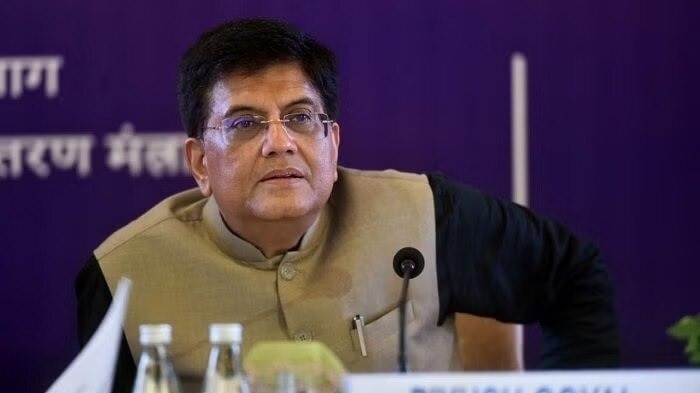
Commerce and Industry Minister Piyush Goyal is expected to visit Brussels for a two-day official visit on January 8-9, 2026, a move that marks a new impetus in efforts to conclude the long-awaited India-European Union Free Trade Agreement (FTA). The visit reflects intensified diplomatic and technical engagement between New Delhi and Brussels as both sides strive to conclude negotiations.
The talks come at a crucial stage for economic relations between India and the EU. After being stalled for more than nine years, FTA negotiations were restarted in June 2022, marking a new commitment to deepening trade and investment relations. Since then, the two sides have held 14 rounds of formal negotiations, as well as several ministerial-level interactions, the last of which took place in December 2025.
The European Union is currently India’s largest trading partner and one of its largest sources of foreign investment. Bilateral trade in goods received a new boost in 2024-2025, highlighting the strategic importance of a comprehensive trade pact. Officials say the proposed deal is positioned not only as a tariff reduction exercise, but also as a modern partnership that addresses contemporary issues such as supply chains, sustainability and economic security.
During his visit, Goyal is expected to hold high-level talks with European Commissioner for Trade and Economic Security Maroš Šefčovič. These discussions will aim to provide strategic direction to negotiators, iron out remaining differences and accelerate work towards a balanced and ambitious agreement.
The ministerial meetings follow a week of intensive discussions in Brussels, building on the foundations laid during discussions held earlier this month between Indian Commerce Secretary Rajesh Agrawal and Sabine Weyand, Director-General for Trade at the European Commission. Officials familiar with the process say the goal now is to narrow differences between key chapters of the deal and provide more clarity on unresolved issues.
A central part of India’s negotiating strategy is securing meaningful market access for labour-intensive sectors. New Delhi is pushing for duty-free entry for products such as textiles, leather, clothing, gems and jewelry, as well as handicrafts, areas seen as key to job creation and inclusive growth.
Both sides reiterated their political commitment to conclude a comprehensive and forward-looking trade agreement. The next round of negotiations is expected to reaffirm support for a rules-based trading system and a modern economic partnership that protects the interests of farmers and small businesses, while helping Indian industry integrate more deeply into global value chains.
Trade talks between India and the EU have entered their most difficult phase, with both sides working to overcome their main differences and conclude negotiations quickly, Commerce Secretary Rajesh Agrawal said on December 15. He noted that discussions have become more complex as sensitive issues, including the European Union’s Carbon Border Adjustment Mechanism (CBAM), are now on the table. Under the CBAM, Indian exports of steel, aluminum and cement to the EU could face tariffs of 20-35% from January next year.
The 16th round of negotiations concluded earlier this month, covering crucial chapters such as goods, services, investment, rules of origin and technical barriers to trade. Negotiations for a comprehensive free trade agreement resumed in June 2022 after an eight-year hiatus.
The EU is India’s largest merchandise trading partner, with bilateral trade of $136.53 billion in 2024-25. A successful deal could significantly boost Indian exports, ranging from clothing and pharmaceuticals to steel and electrical machinery.