Physical Address
304 North Cardinal St.
Dorchester Center, MA 02124
Physical Address
304 North Cardinal St.
Dorchester Center, MA 02124
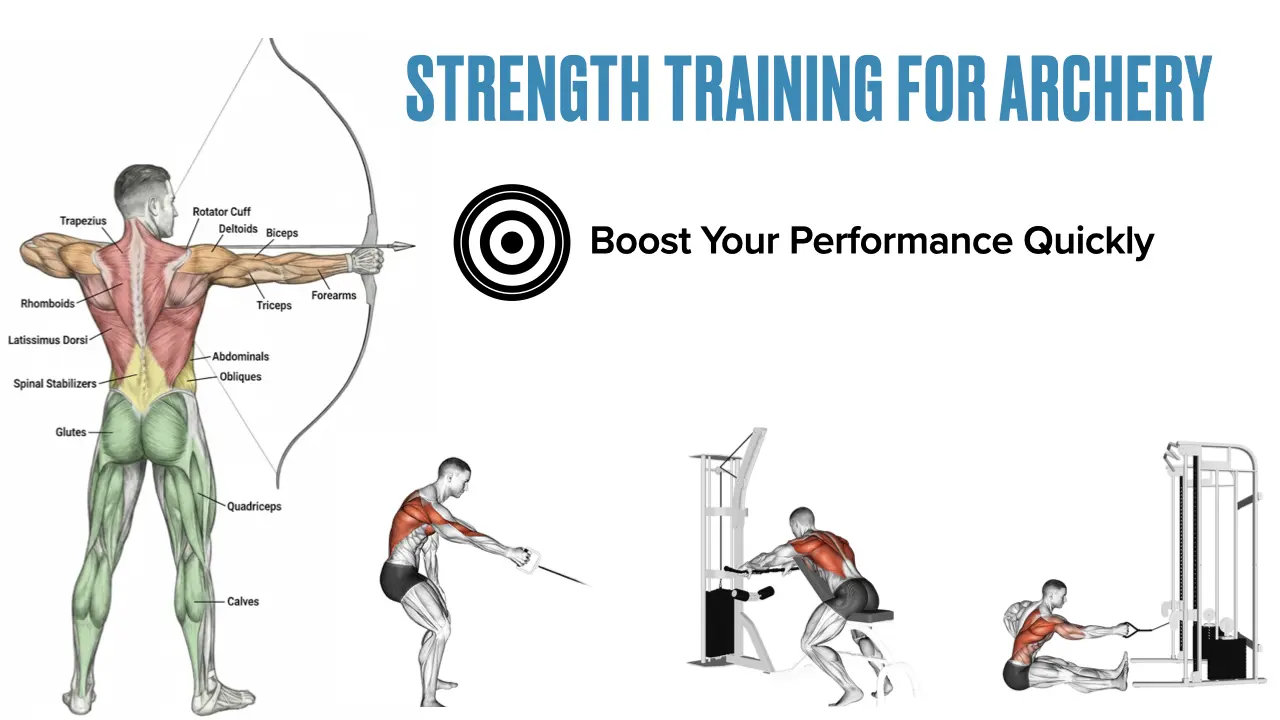
Archery is often admired for its precision and grace, but behind every flawless release lies a foundation built on physical strength, control, and mental resilience. Whether you’re a competitive archer or a recreational enthusiast, developing the right muscular balance and stability is what transforms skill into performance.
Building strength for archery isn’t just about drawing a heavier bow; it’s about improving posture, balance, and endurance to sustain accuracy over time. That’s where strength training for archery comes in — a science-backed approach that enhances posture, endurance, and the ability to maintain accuracy under pressure. A well-designed strength program develops the shoulders, back, core, and stabilizing muscles that control the bow, while also enhancing body awareness and injury resistance.
In this guide, we’ll explore how targeted strength and mobility exercises can elevate your shooting performance, prevent overuse injuries, and improve your consistency on the range. Drawing on principles of exercise physiology, biomechanics, and sports psychology, this article offers a comprehensive framework for training the body and mind to work in perfect harmony. By combining evidence-based strategies with practical coaching insights, you’ll learn how to build the strength and stability needed to shoot with precision, confidence, and longevity.
Archery performance relies on the integration of motor control, muscle coordination, postural stability, and psychological regulation. Unlike many sports that rely on explosive motion, archery requires sustained muscular contraction and fine motor precision under still conditions.
The following key systems interact during a shot:
According to research in Journal of Sports Sciences (Ertan, 2009), elite archers display lower muscle coactivation ratios and smoother electromyographic (EMG) patterns compared to novices, highlighting how efficiency—not raw strength—is the foundation of mastery.
Effective archery muscle training focuses on the entire kinetic chain, not just the arms. Archery demands isometric strength, where muscles hold static contractions for several seconds during aim and release. Over time, this develops not only strength but also fine motor endurance.
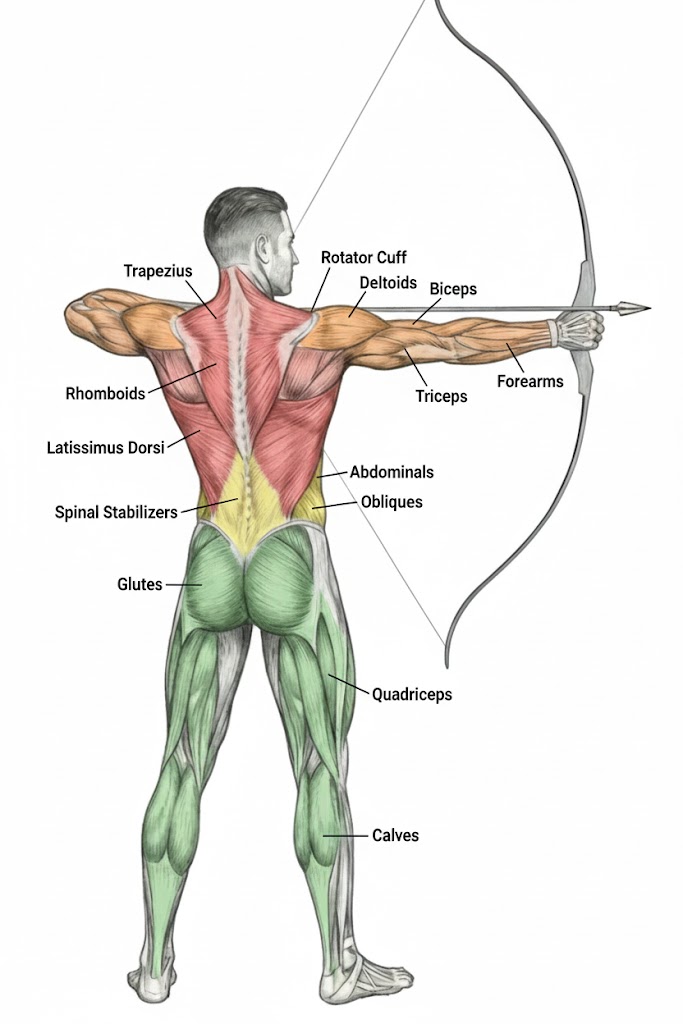
A weakness in any of these areas can negatively affect shooting form and long-term performance.
At its core, archery performance is built upon five interrelated physical pillars: strength, control, stability, mobility, and stamina. Each of these elements plays a vital role in transforming technical skill into consistent accuracy. Without strength, the draw falters. Without control, precision diminishes. Without stability, posture wavers. Without mobility, the draw becomes restricted. And without stamina, even the most skilled archer succumbs to fatigue.
Strength is the cornerstone of all performance qualities in archery. It enables the draw arm to generate sufficient force, the bow arm to resist tension, and the scapular muscles to stabilize under load. Proper strength in the rhomboids, middle trapezius, posterior deltoids, and latissimus dorsi ensures that the archer can maintain consistent posture throughout the shot sequence.
A 2020 study by Kim & Park found that archers who incorporated resistance training into their routines exhibited significantly greater shoulder stability and reduced fatigue during extended shooting sessions. This stability translates directly into precision and confidence under pressure.
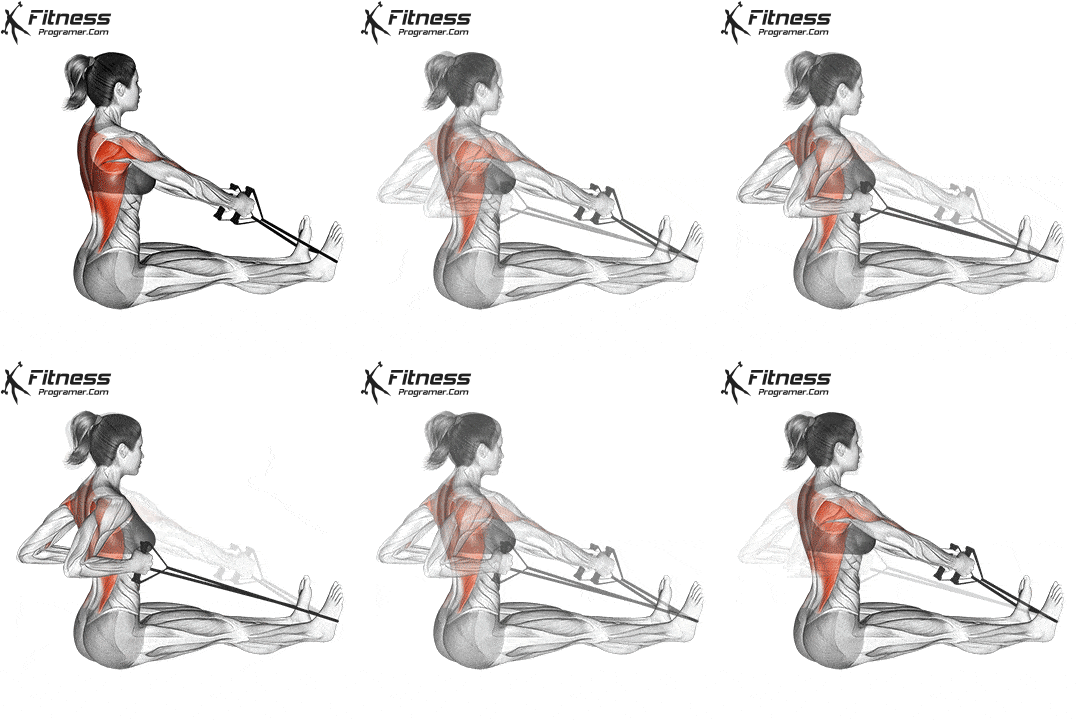


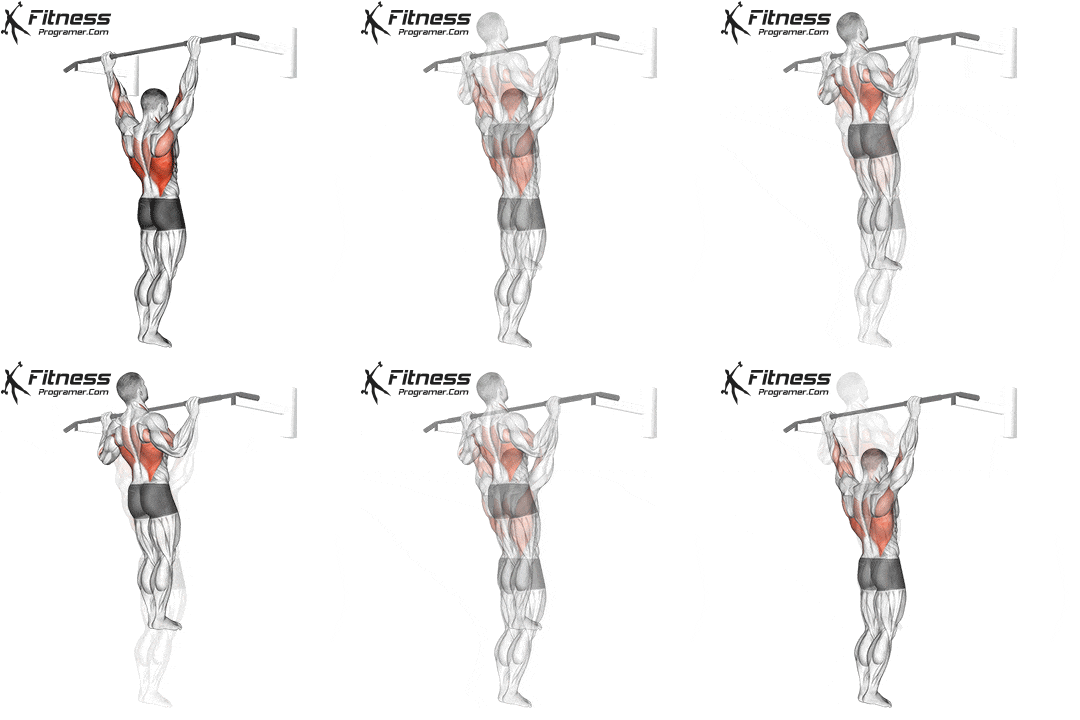
Control is what allows an archer to replicate identical shots, even under varying conditions. It involves precise activation of stabilizing muscles, timing of breath, and synchronization of movement. The more finely tuned the neuromuscular control, the greater the consistency between each draw and release.
In archery, control depends largely on proprioception — the body’s ability to sense its position in space. Exercises that challenge unilateral stability and require fine adjustments train the nervous system to maintain steady posture and tension.
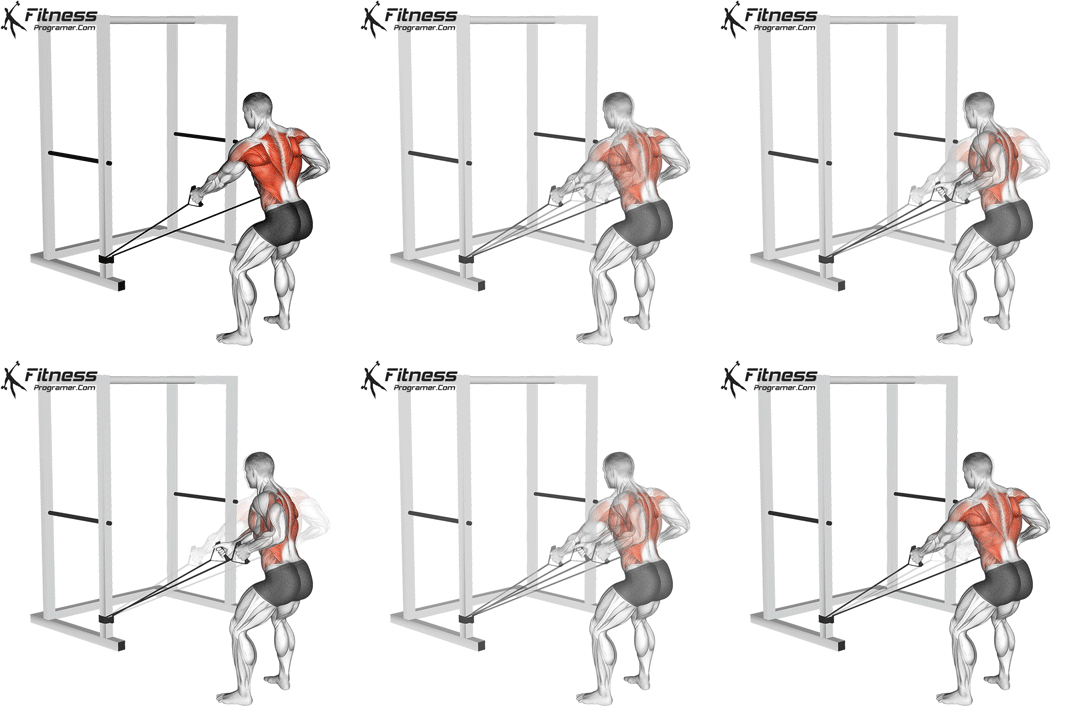
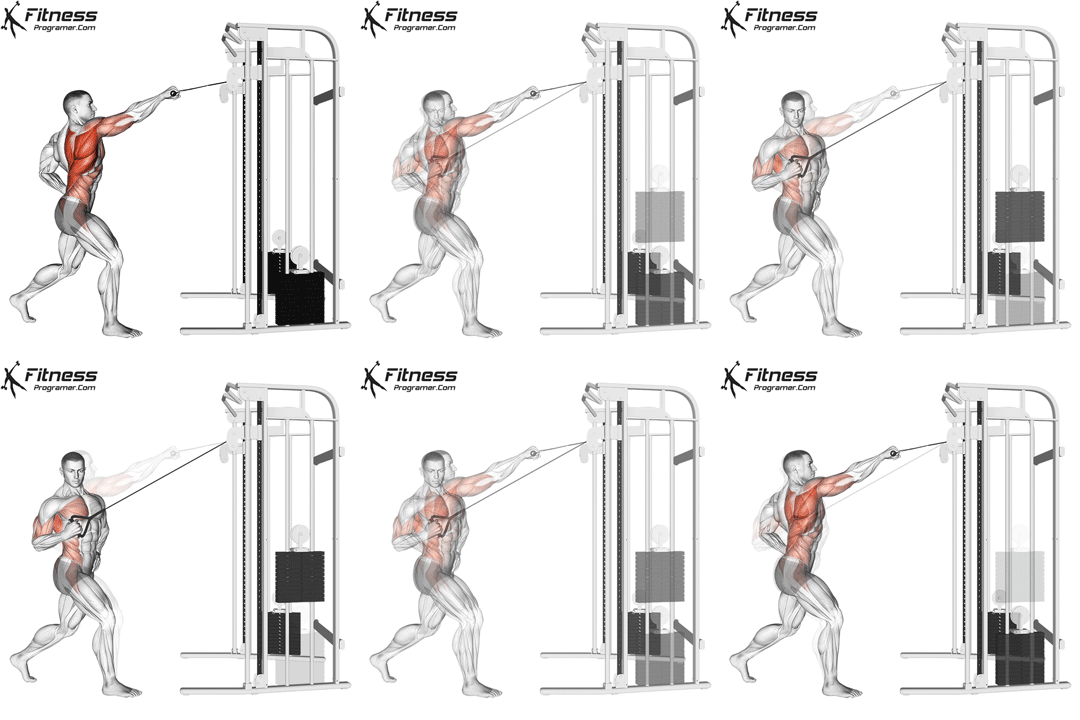

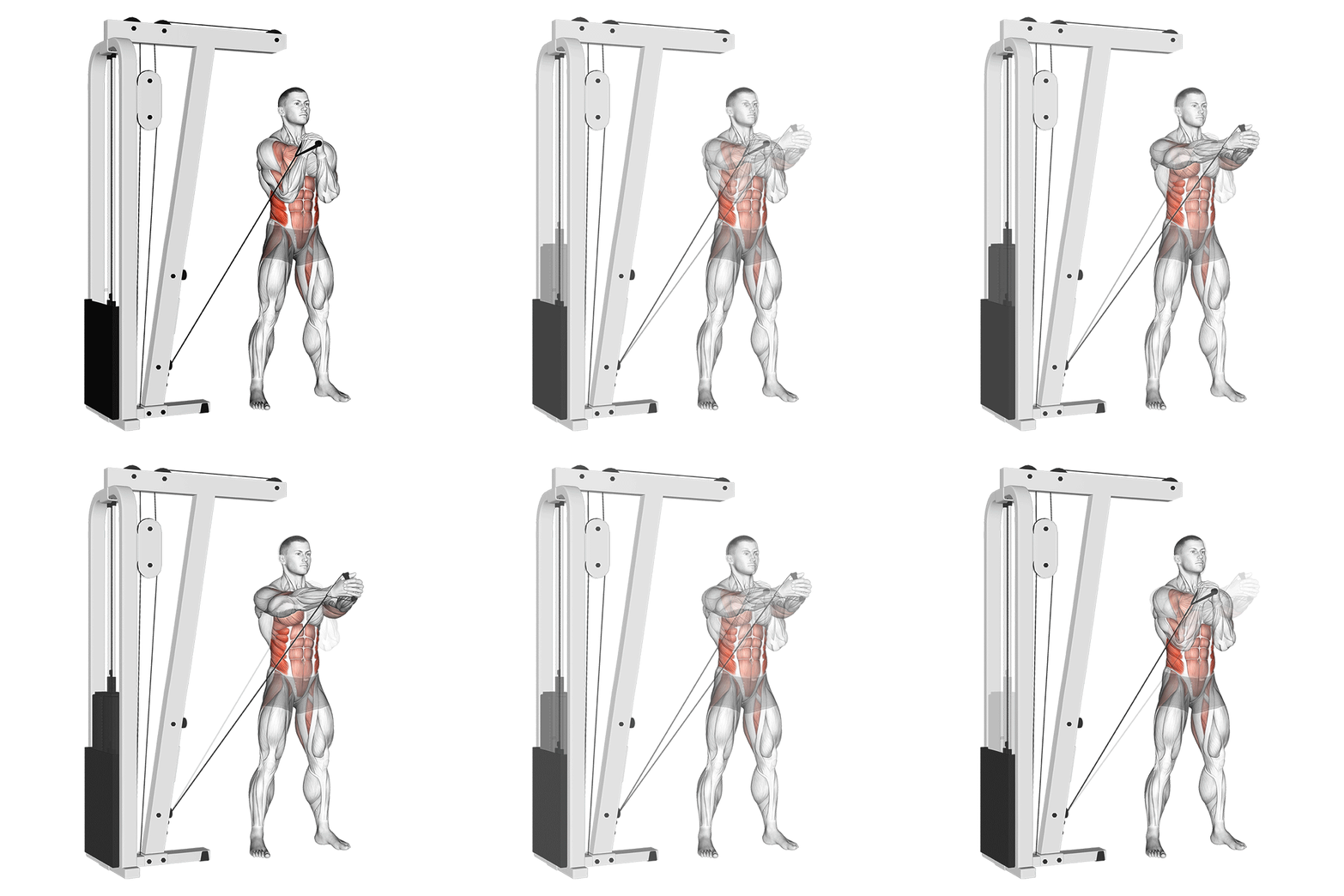
Coaching Note: Archers should practice maintaining scapular depression and retraction throughout each motion, preventing the shoulders from elevating under tension.
Stability connects all other physical attributes in archery. It is the ability to hold posture under load — particularly at full draw — without unwanted motion. True stability comes from deep muscular coordination, not just surface strength.
The scapular stabilizers, core muscles, glutes, and lower body all contribute to holding the archer steady. Even subtle postural deviations, such as shifting weight or shoulder elevation, can alter shot trajectory. Therefore, stability training must integrate both static and dynamic control.
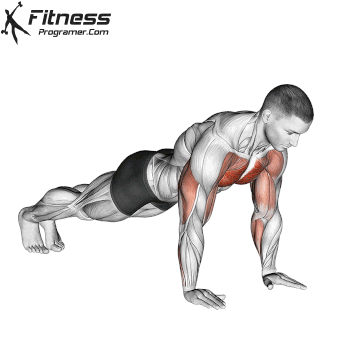
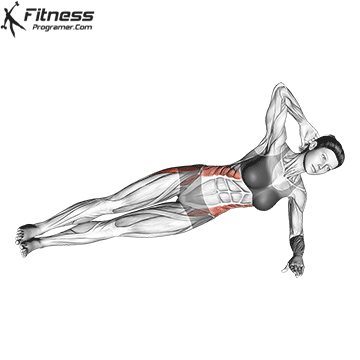
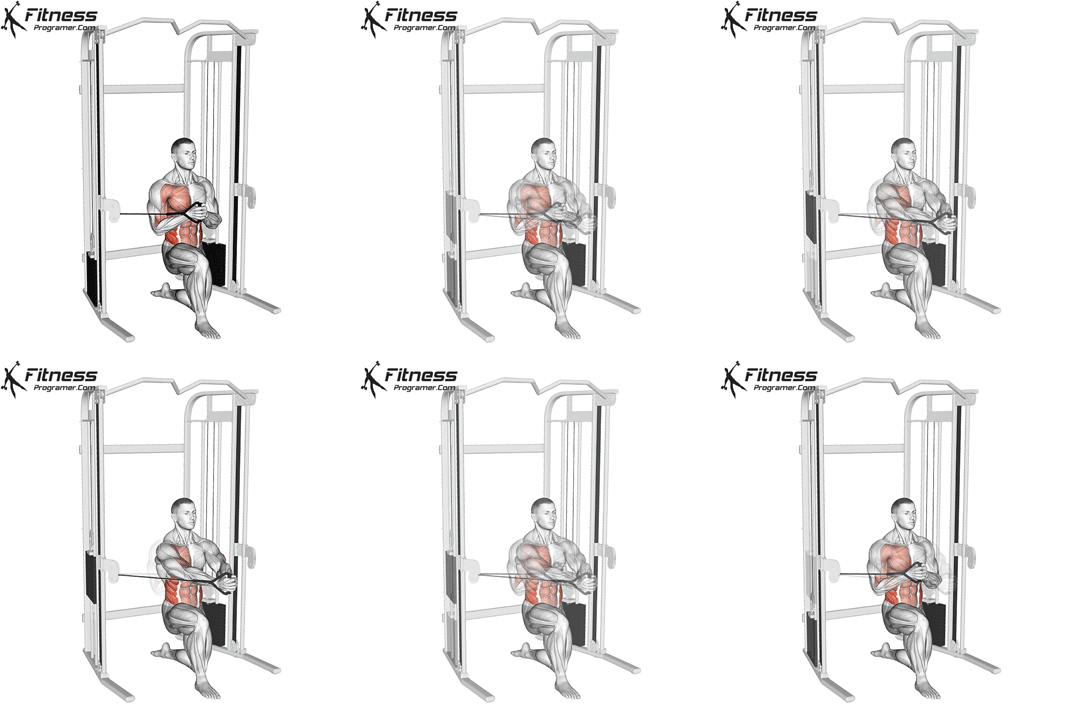
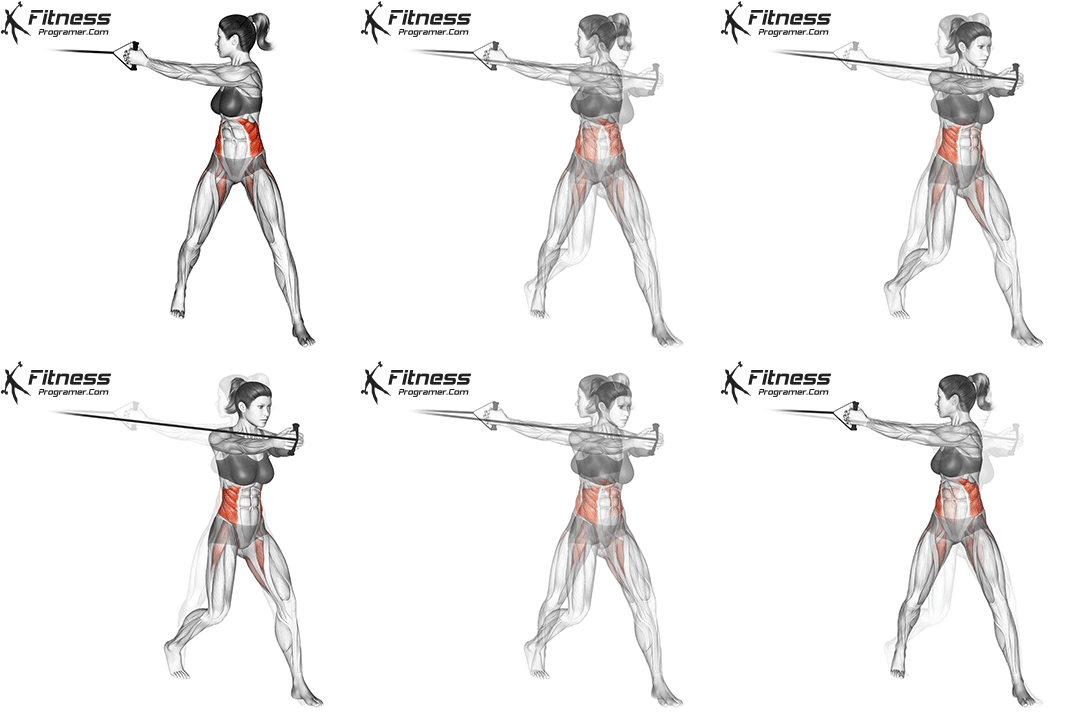
Biomechanical Insight: Studies in sports biomechanics show that archers who demonstrate greater core stiffness and scapular endurance experience less tremor during the aiming phase and maintain more consistent draw lengths over repeated shots.
Mobility is often misunderstood as mere flexibility, but in archery it refers to the ability to move through a full range of motion with control. A lack of mobility in the shoulders, thoracic spine, or hips can lead to compensations that disrupt alignment and increase injury risk.
For instance, restricted thoracic extension forces the archer to elevate the shoulders, leading to uneven tension and potential overuse injuries. Improving mobility ensures smooth motion from setup through follow-through.
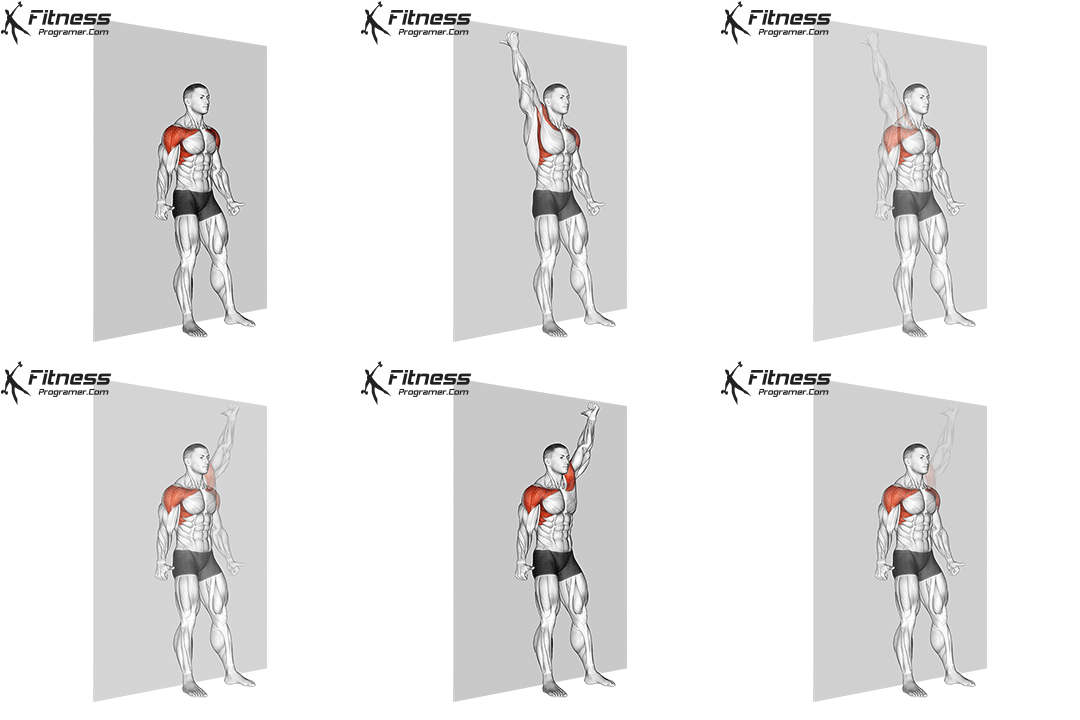
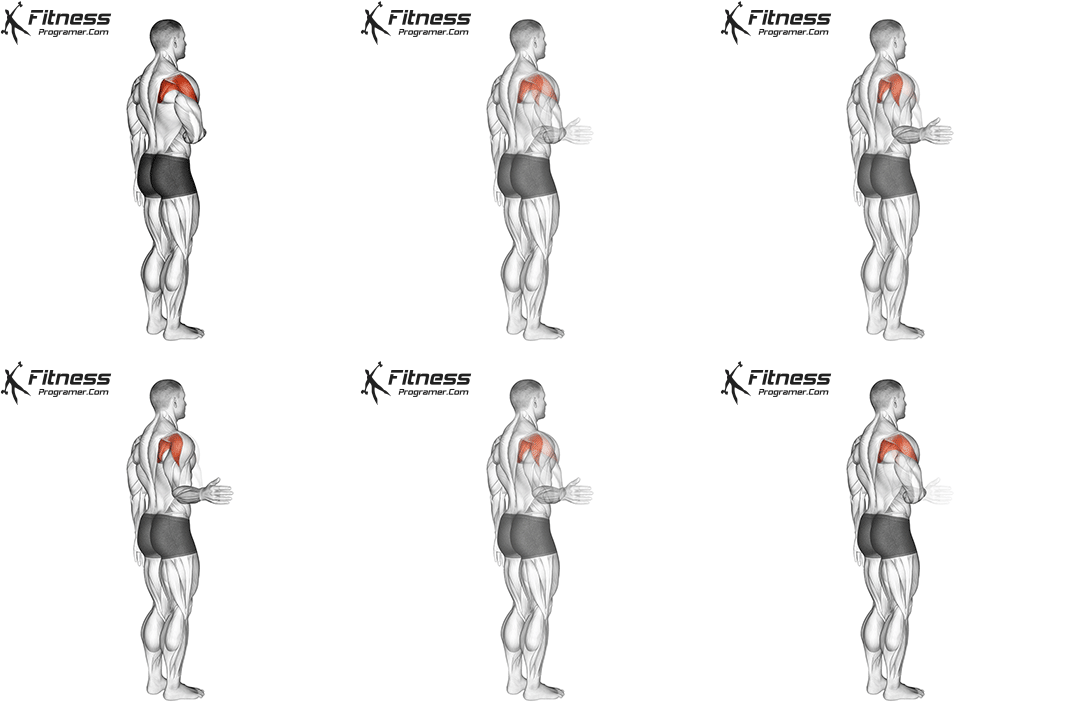
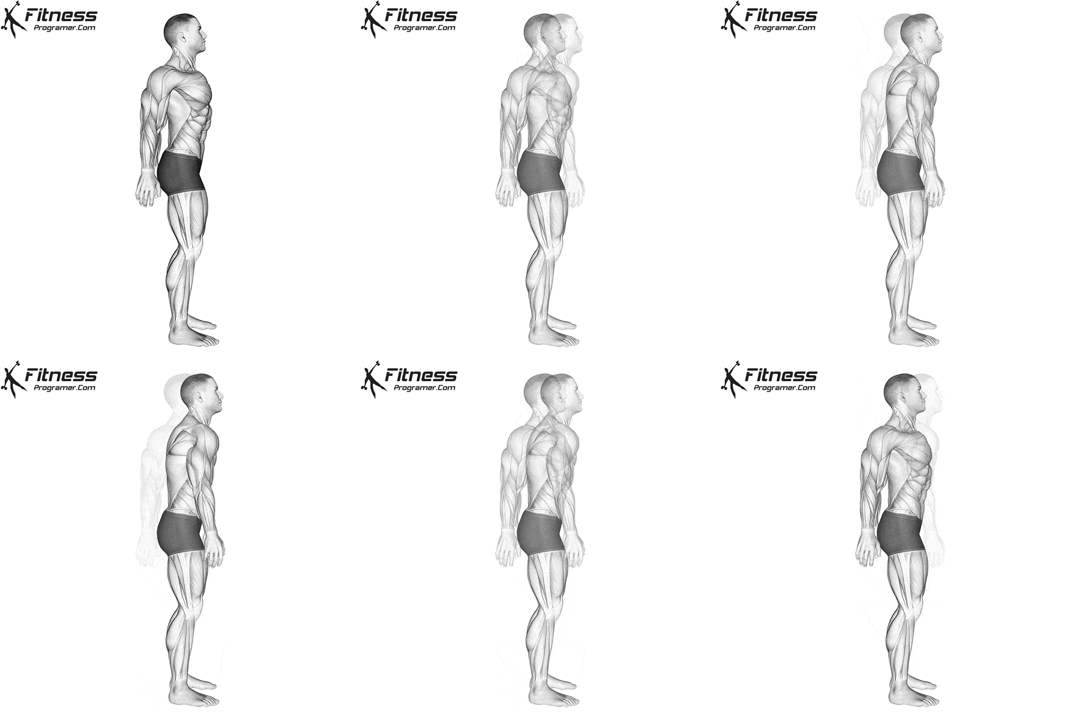

Tip: Always combine mobility drills with stability exercises to maintain joint control within the new range of motion.
Archery requires prolonged concentration and repetitive movement. Stamina ensures that form does not degrade as fatigue accumulates. Muscular endurance in the upper back, shoulders, and core helps maintain alignment over hundreds of arrows, while cardiovascular conditioning supports overall energy and focus.
Endurance training in archery doesn’t mean long-distance running; rather, it involves maintaining form and muscle activation under prolonged static holds and repetitions.
Effective Stamina Training:
Coaching Insight: Integrating brief isometric holds within strength exercises (e.g., pausing mid-row) mimics the draw-hold phase of shooting, reinforcing both endurance and focus.
Each shot in archery unfolds as a sequence of precisely timed motor actions. Breaking down these phases can help you pinpoint weaknesses and refine technique.
A stable base is essential. The feet are shoulder-width apart, aligned with the target, and weight distributed evenly. Stability in the lower body translates directly to accuracy in the upper body.
The arrow is placed on the string while the drawing hand hooks under the nock. This phase demands dexterity and consistent grip pressure.
The draw involves scapular retraction and shoulder depression. The back muscles, particularly the rhomboids and latissimus dorsi, are the primary movers. Efficient draw mechanics rely on minimizing biceps overactivation and maintaining shoulder alignment.
At full draw, the archer establishes a consistent anchor point on the face or jawline. This alignment determines shot reproducibility. The spine remains neutral, and the scapulae are fully engaged.
Visual focus, breathing, and subtle micro-adjustments guide aim. Tremor control depends on steady isometric contraction and calm respiratory rhythm.
A smooth release comes from relaxation of the fingers and posterior deltoid engagement. Any sudden movement introduces torque and arrow drift.
Post-release control prevents destabilization. The drawing elbow continues its backward motion, ensuring alignment through the shot.
Biomechanical research shows that scapular stability and minimal vertical body sway are the most reliable predictors of high-level consistency (Lee et al., Human Movement Science, 2015).
The mechanics of shooting involve a chain of coordinated movements — stance, draw, anchor, aim, release, and follow-through. Weakness or instability in any link of this chain compromises performance. Strength training enhances archery by improving the efficiency of each phase:
Over time, these adaptations increase shot consistency and minimize the risk of shoulder impingement, tendinopathy, or lower back fatigue — common issues in repetitive sports like archery.
Building a stronger, more stable body supports precision and reduces fatigue. The goal is to enhance endurance and control through slow, deliberate strength development rather than maximal lifts.
Exercises that reinforce scapular retraction and external rotation improve shoulder stability.
Examples:
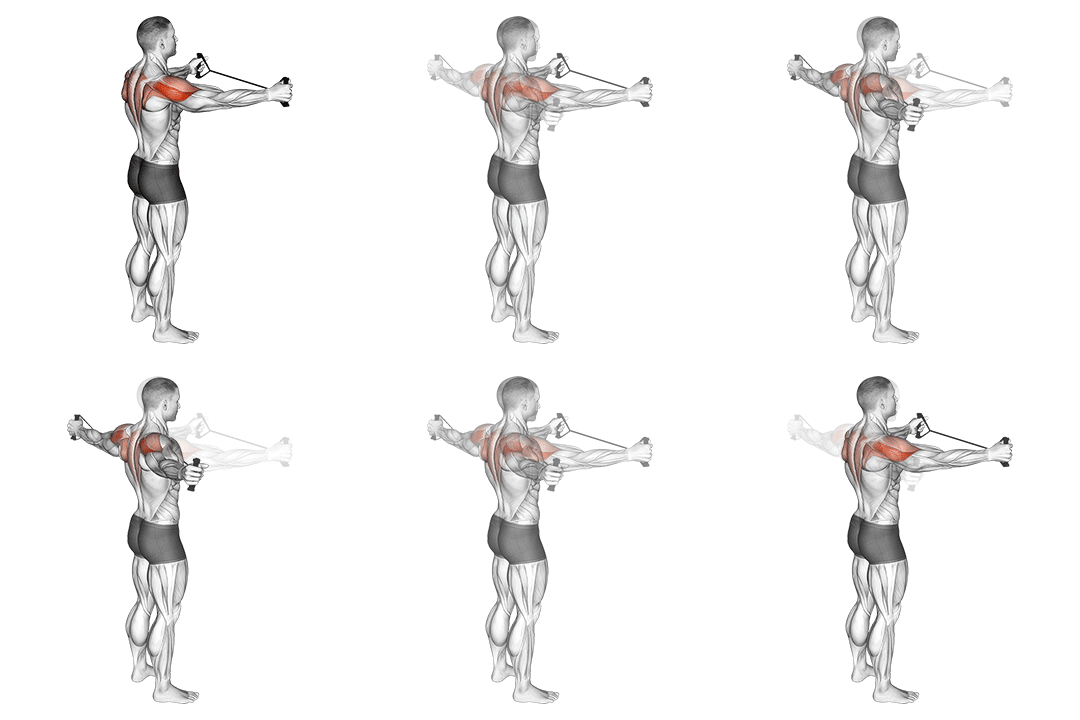

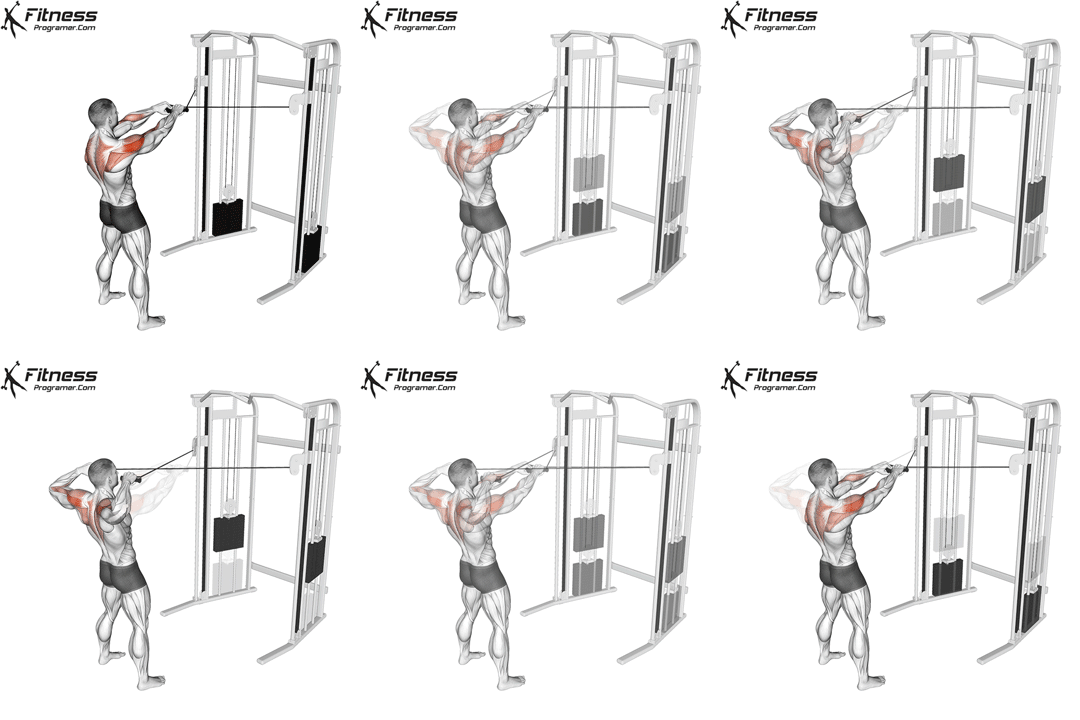
Strong rotator cuffs reduce the risk of shoulder impingement and maintain joint integrity.
Examples:
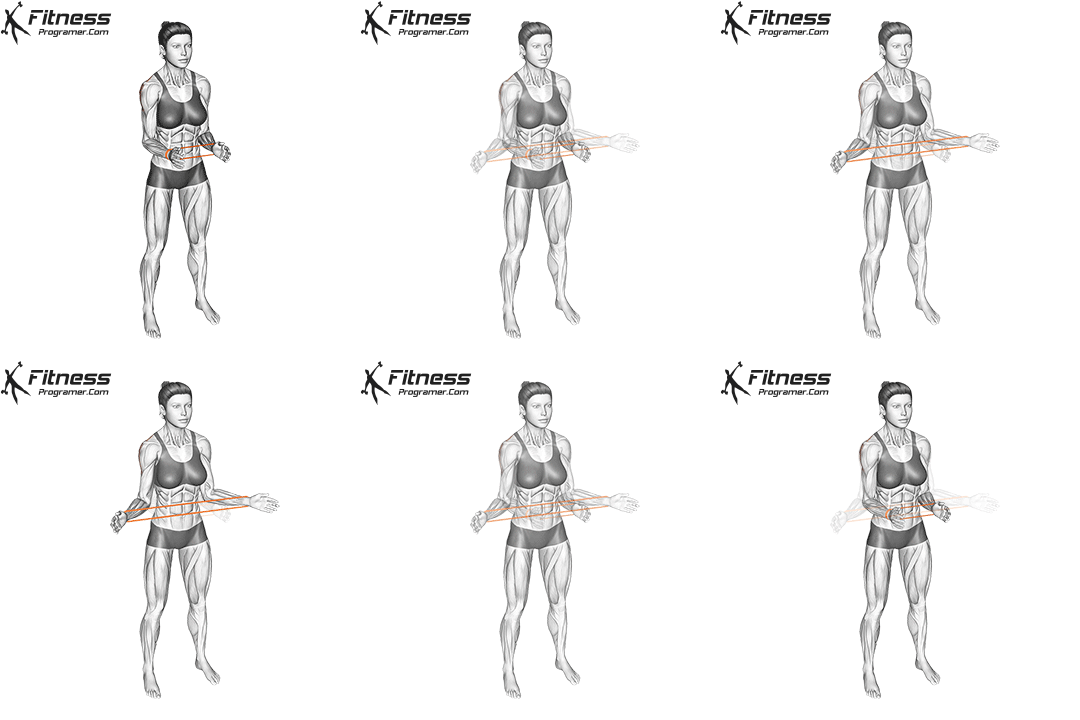
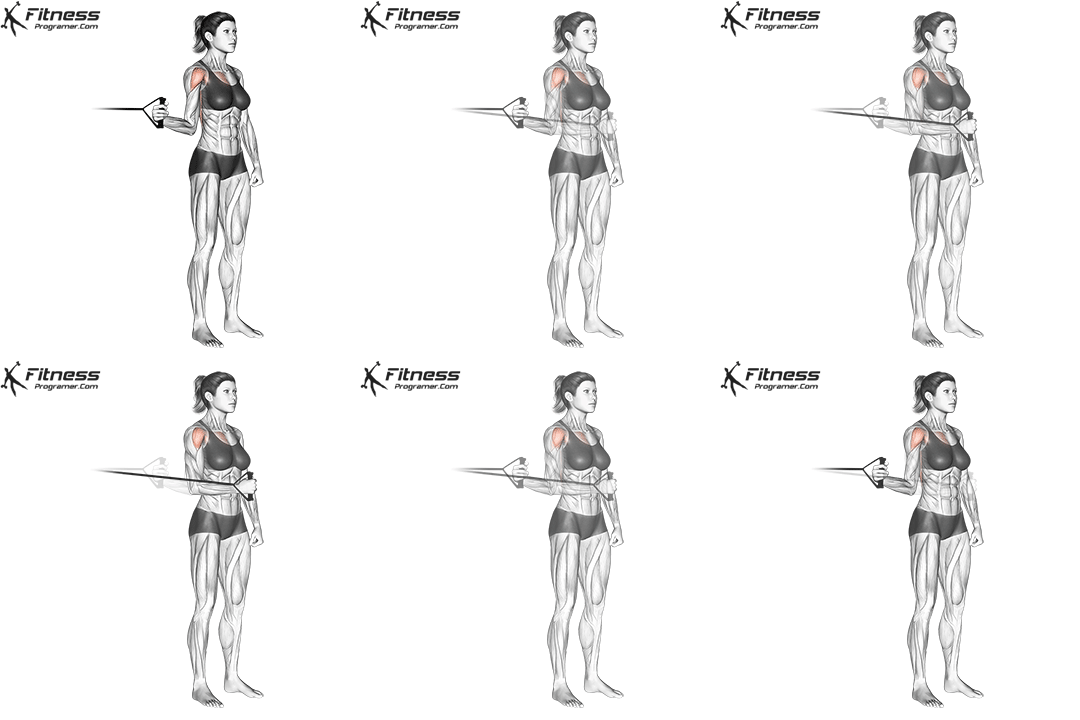
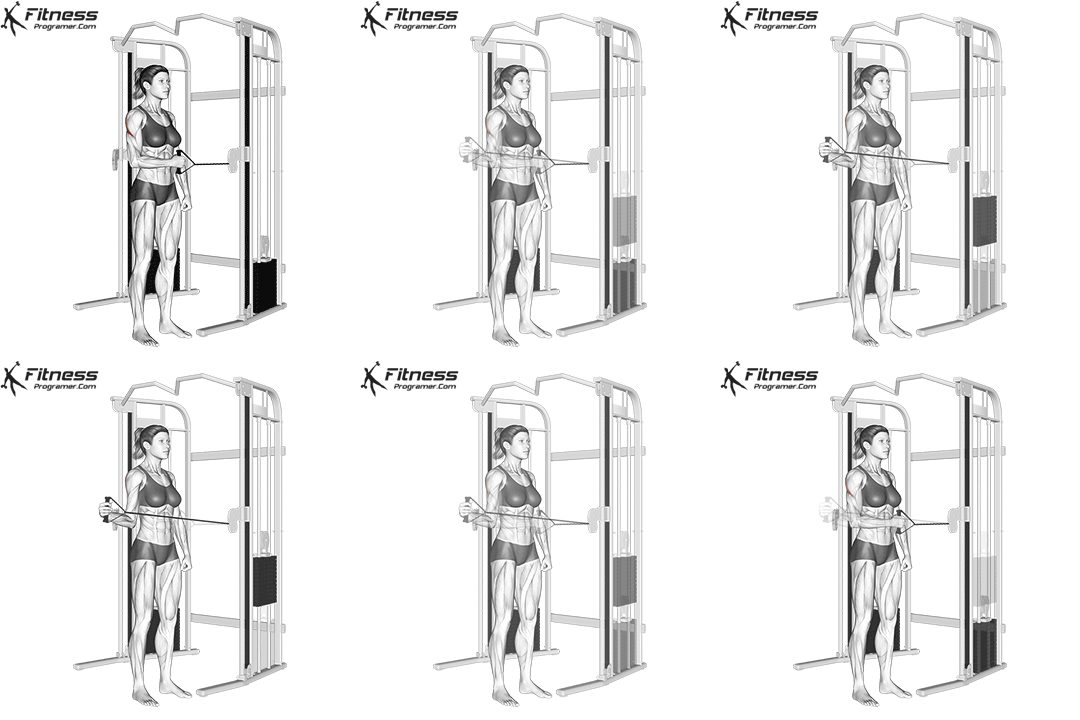

A stable trunk keeps your draw and release consistent, even under fatigue.
Examples:
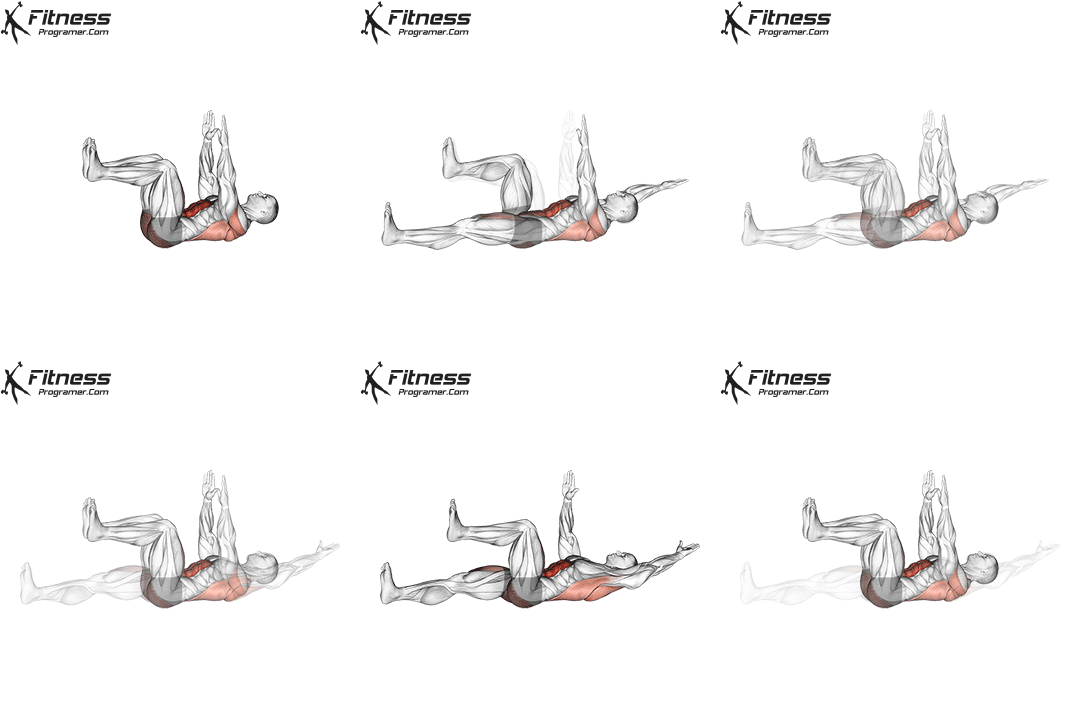
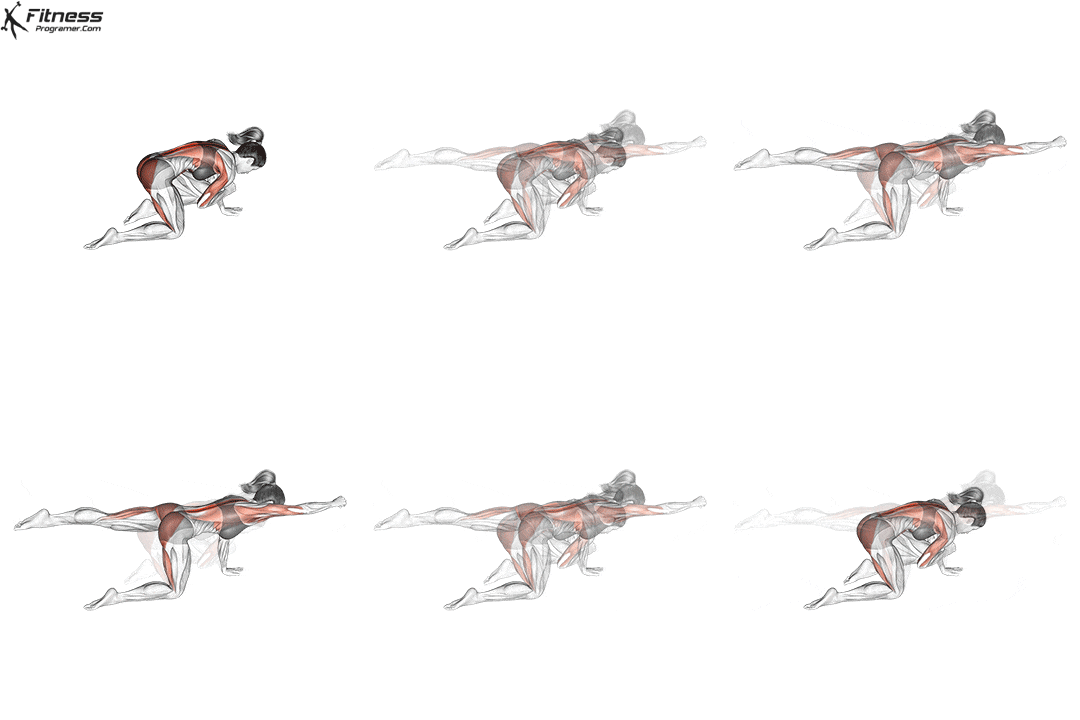
A secure yet relaxed grip ensures consistent arrow control. (more grip strength)
Examples:



Lower-body stability anchors the shot and supports balance.
Examples:
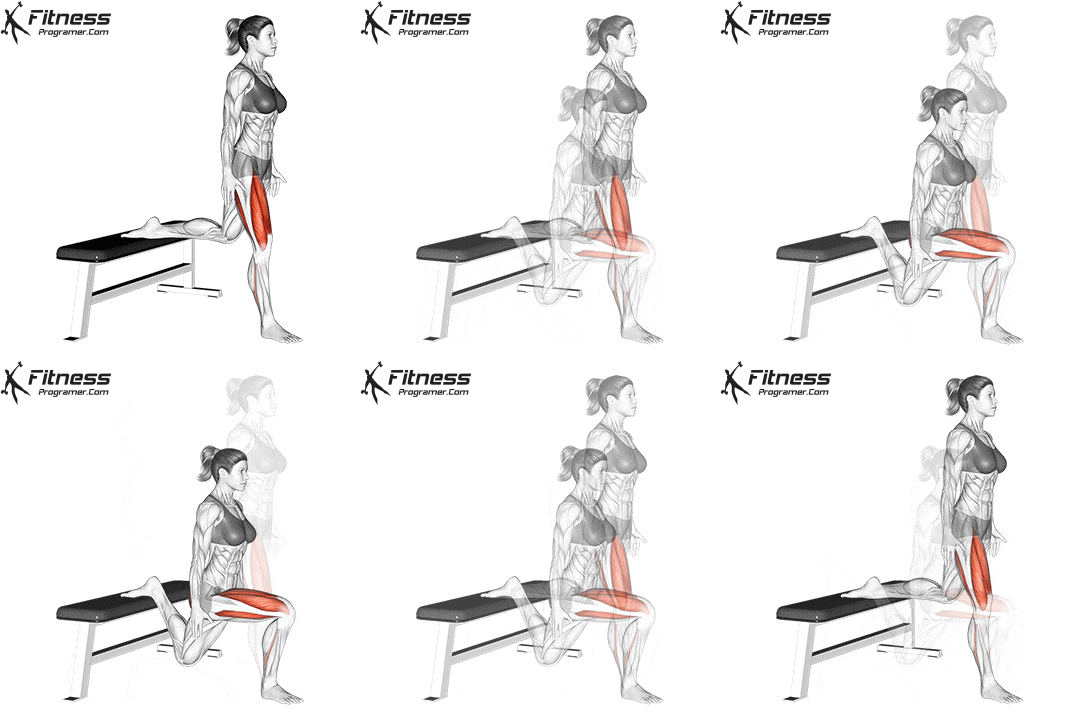
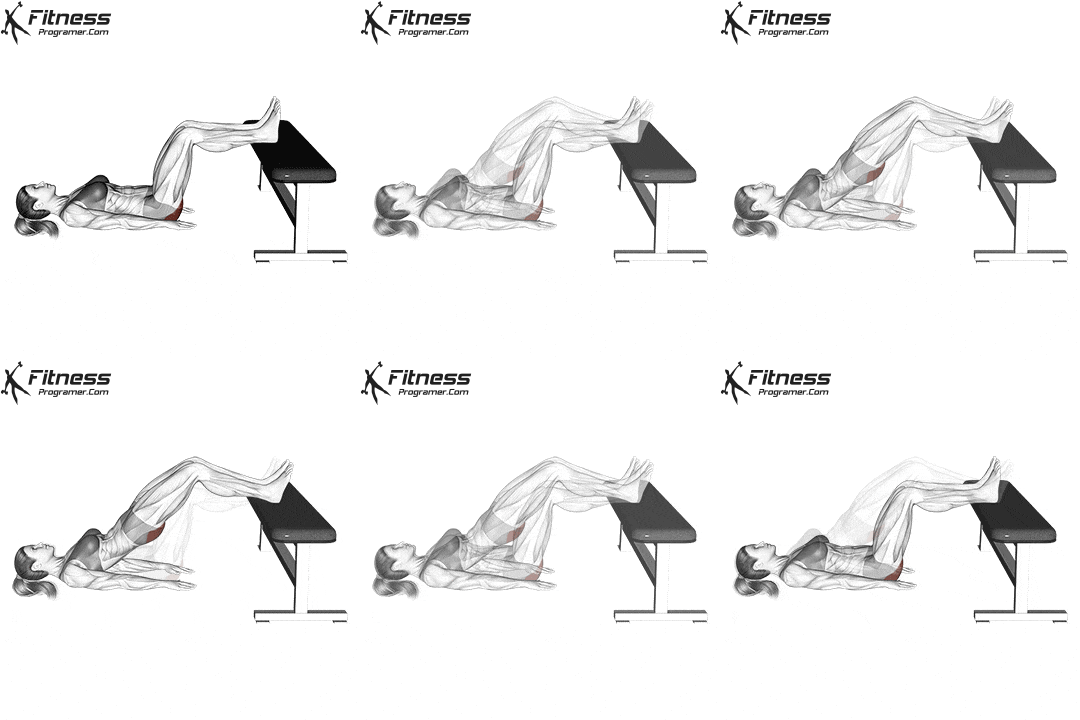

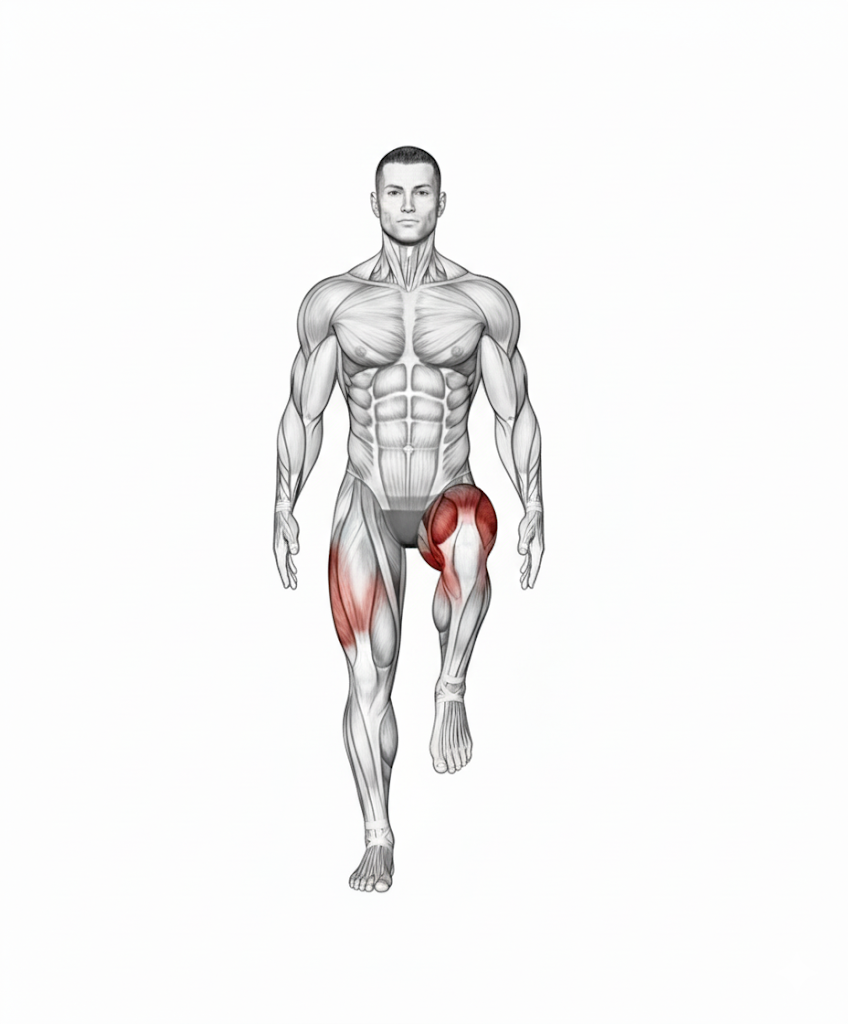
Archery precision depends on postural balance and fine motor synchronization. Incorporate these drills weekly:
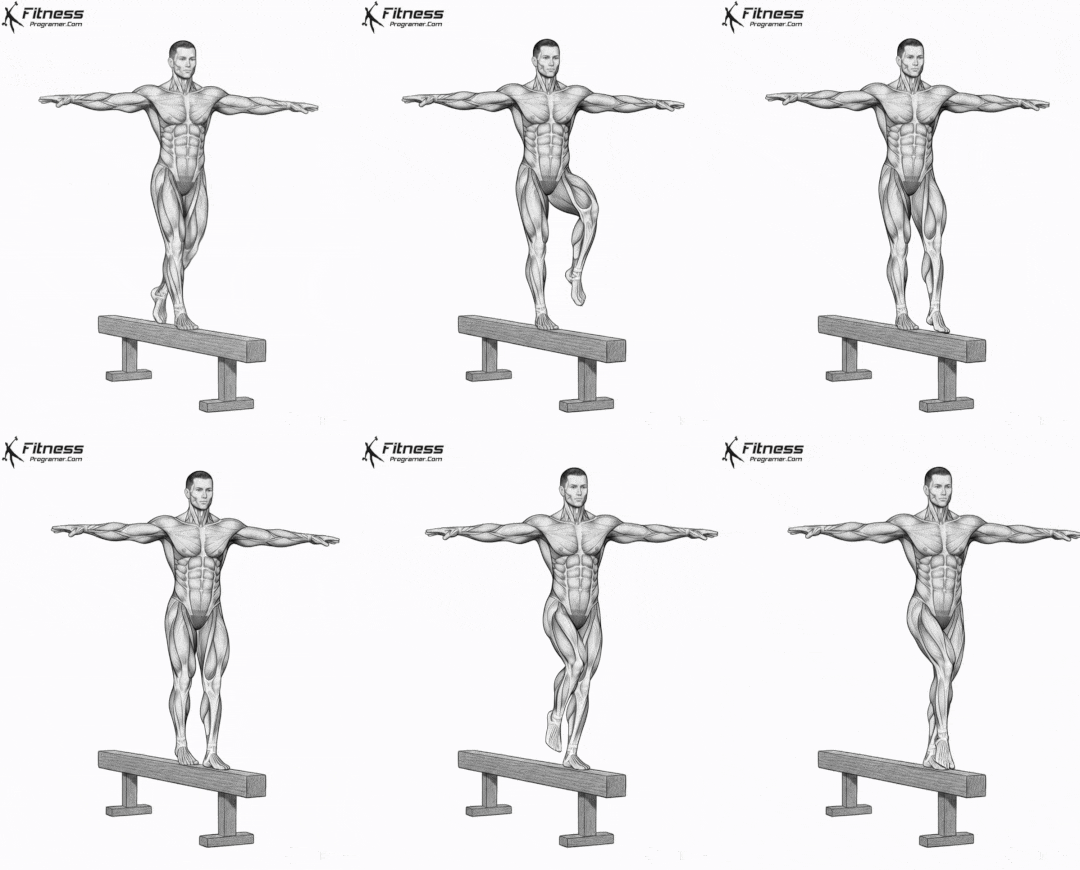
Archery performance is closely tied to autonomic regulation—how well an athlete can manage heart rate and body tension under stress.
Controlled breathing helps synchronize the shot with physiological calm.
Studies in European Journal of Applied Physiology (Konttinen et al., 2003) show that elite archers time their shots within 2–3 seconds of a cardiac pause, reducing tremor amplitude and improving precision.

The box breathing technique — inhale for four seconds, hold for four, exhale for four, hold for four — helps calm the nervous system and improve shot timing.
Archery is often described as “meditation in motion.” Mental control determines whether your technique performs consistently under pressure.
Research by Raynor & Carter (2019) highlights that consistent mental training improves neuromuscular control and reduces variability between shots, directly enhancing performance consistency.
Focus: Stability, core control, endurance
Focus: Muscle endurance, scapular strength, draw efficiency
Focus: Integration of physical and psychological performance
Though not as energy-demanding as endurance sports, archery benefits from balanced nutrition to support cognitive clarity, muscular endurance, and recovery.
Archery combines the strength of the body, the focus of the mind, and the precision of the nervous system. Optimal performance depends on synergy—between balance, stability, and psychological regulation.
By incorporating specific strength training, balance drills, breathing control, and mental conditioning, archers can build resilience and consistency. Whether for sport or personal development, mastering the art of the shot begins with mastering yourself.
References